31 Aug 2026
International Developments in Online Betting and Casino Sectors Through Mid-2026

Markets for online betting and casino activities have expanded across multiple continents by August 2026, driven by regulatory adjustments in several jurisdictions and continued adoption of mobile technologies. Data from industry reports indicate steady increases in user participation, particularly in regions where licensing frameworks allow licensed operators to offer sports wagers alongside casino games such as slots and table variants. Observers note that cross-border competition has prompted platforms to refine user interfaces while maintaining compliance with local rules.
Regulatory Frameworks Beyond the United Kingdom
Authorities in the United States, including the Nevada Gaming Control Board, have updated oversight mechanisms for remote wagering during 2025 and into 2026, resulting in clearer guidelines for operators that combine betting on events with casino offerings. Similar steps appear in Australian states where state gaming commissions enforce responsible gambling measures alongside market access rules. These changes coincide with expanded licensing rounds that allow new entrants, yet maintain requirements for age verification and transaction monitoring. Researchers at institutions such as the University of Nevada, Las Vegas have tracked how such policies correlate with shifts in operator revenue streams from both sports and casino verticals.
European Union member states outside the UK continue to harmonize aspects of their digital gambling directives, with emphasis on consumer protection standards that apply equally to live dealer sessions and pre-match or in-play betting products. Data indicates that operators licensed under these frameworks report compliance costs that scale with transaction volumes, while player activity metrics show consistent engagement across different game categories. What's interesting is how these layered regulations create distinct operational environments compared to more centralized systems elsewhere.
Technological Integration and User Experience
Platforms serving online betting and casino content have incorporated real-time data feeds that support both event wagering and interactive casino features on the same applications. Mobile compatibility remains central, with operators reporting that a majority of sessions now originate from smartphones rather than desktop devices. Payment processing times have shortened in many markets, facilitated by partnerships with established financial service providers that handle deposits and withdrawals across currencies.
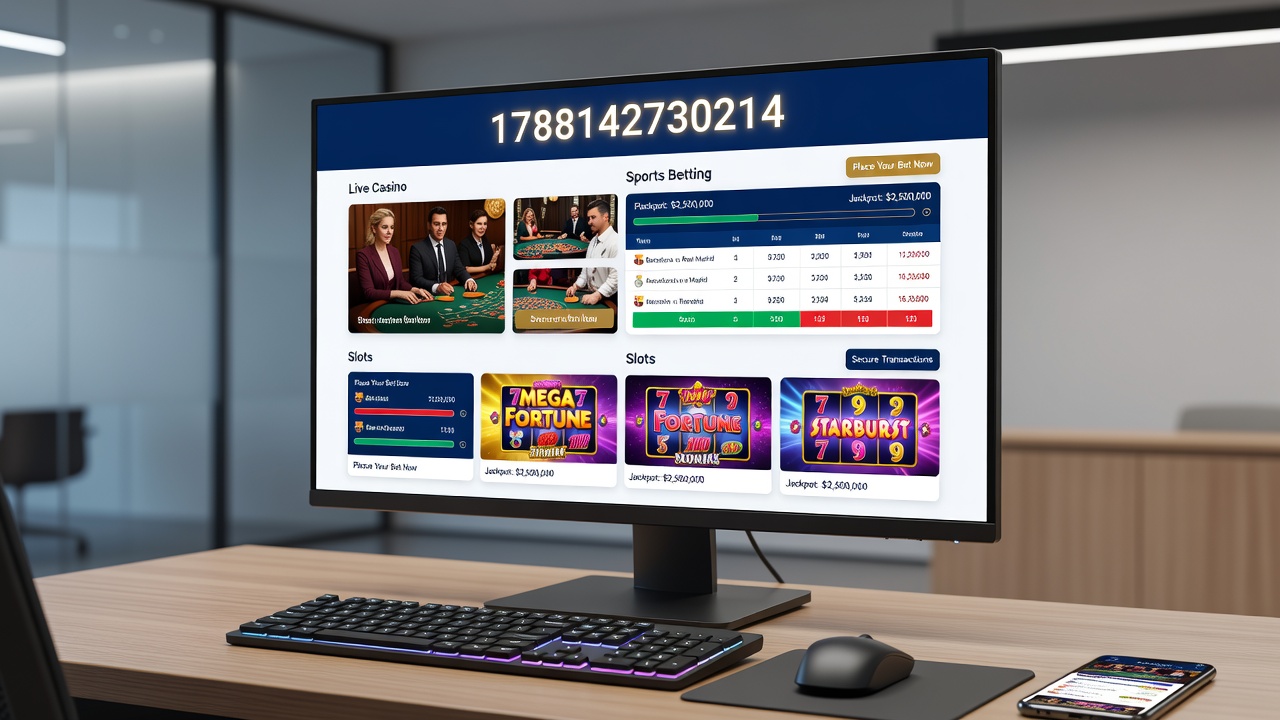
Promotional structures often link sports outcomes with casino bonuses, allowing users who place wagers on football matches to receive credits applicable to slot machines or roulette variants. Industry associations such as the American Gaming Association have documented how these bundled offers influence session lengths without altering underlying game mechanics. Those who monitor traffic patterns observe that seamless transitions between betting sections and casino lobbies reduce friction for participants who engage with multiple product types during single visits.
Market Data and Participation Patterns
Figures released by various national bodies reveal that combined revenues from online sports betting and casino activities reached new levels in the first half of 2026 in several tracked jurisdictions. In Canada, provincial regulators report growth in remote channels that outpaces land-based venues, while similar patterns emerge in parts of Latin America where newly licensed operators entered during 2025. Academic studies from research centers in Australia highlight correlations between promotional intensity and player retention rates across both betting and casino segments.
Payment method diversity has widened, with e-wallets and instant bank transfers gaining share alongside traditional card options. Operators note that these alternatives support faster settlement for winnings from either sports outcomes or casino rounds, which aligns with user expectations shaped by broader digital commerce trends. External analyses from sources such as the American Gaming Association track how these payment evolutions affect overall market accessibility in North American states that permit such activities.
Challenges in Compliance and Security
Security protocols have strengthened in response to rising transaction volumes, with encryption standards and multi-factor authentication now standard across major platforms. Licensing bodies in multiple regions require regular audits that cover both betting engines and random number generators used in casino games. Instances of account verification delays have prompted some operators to streamline onboarding processes while preserving regulatory safeguards.
International cooperation among regulators has increased, particularly around sharing information on unlicensed operators and cross-jurisdictional player disputes. This coordination supports consistent application of rules that govern advertising, bonus terms, and dispute resolution for users engaged in either sports betting or casino play. Data from collaborative reports indicate measurable reductions in certain complaint categories where such information exchange occurs regularly.
Conclusion
Online betting and casino operations continue to evolve under the influence of localized regulations, technological refinements, and shifting participation metrics as of August 2026. Markets demonstrate adaptation through diversified product offerings and enhanced compliance structures, while external analyses from bodies such as Victorian Responsible Gambling Foundation reports provide ongoing insight into long-term patterns. These developments reflect broader digital trends without uniform outcomes across all regions.